 myairbags.com
 888-779-9029
Why Smart Rebuilders Do Not Automatically Walk Away from Deployed Airbags
A vehicle rolls through the auction lane with deployed airbags. The steering wheel bag is open. The passenger dash may be damaged. One or more seat belts are locked. The SRS warning light is on.
Many buyers stop there.
That reaction is understandable. Airbags are safety-critical, the damage can look dramatic, and an incomplete estimate can become expensive quickly. But an experienced rebuilder does not make the decision based on fear or appearance alone.
The better question is: What is the complete, vehicle-specific repair plan?
A deployed airbag can be a reason to reject a vehicle. It can also be the reason a knowledgeable buyer faces less competition and finds a workable opportunity.
Deployed airbags are not the entire SRS estimate
The most common estimating mistake is looking only at the visible airbag.
A post-collision Supplemental Restraint System may involve several components:
- Driver, passenger, knee, seat-mounted, curtain, or other deployed airbags
- Seat belt retractors, buckles, anchors, or pretensioners
- Airbag or restraints control module with stored crash data
- Impact or rollover sensors, depending on damage and diagnostic results
- Clock spring and airbag connector plugs
- Battery cable pyrotechnic disconnect or battery safety terminal
- Active headrests
- Collapsible steering column components
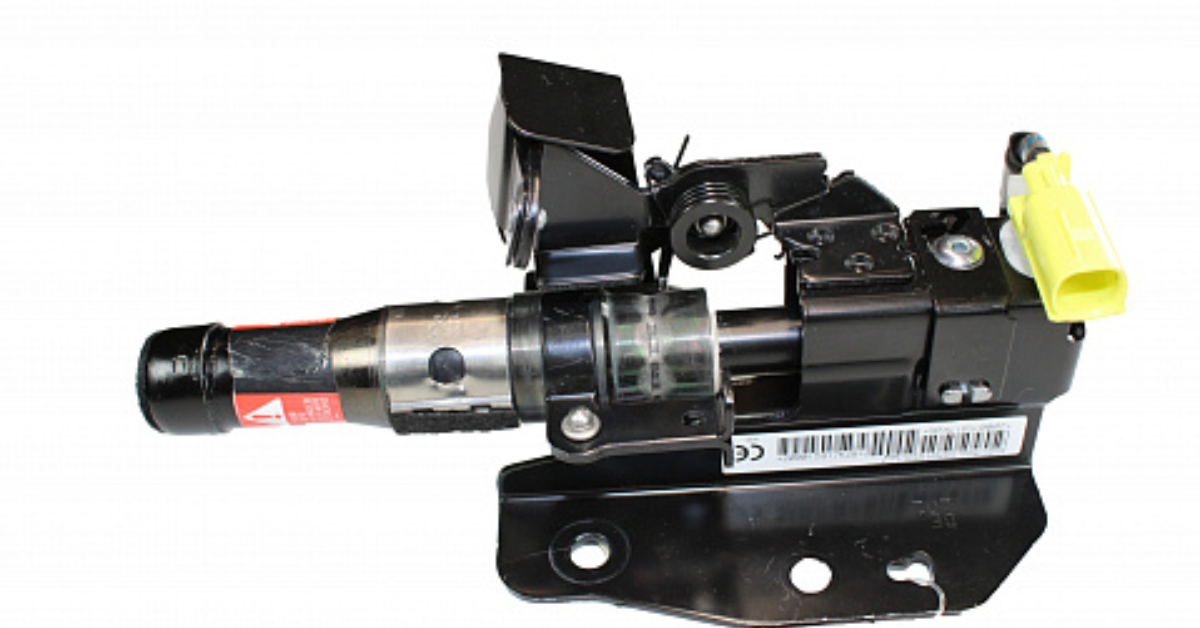
- Active hood actuators or rollover protection systems on certain vehicles
- Wiring, connectors, mounting points, and vehicle-specific trim
Not every collision activates every component. Not every warning code means the same thing. The estimate must be based on the vehicle’s make, model, year, equipment, collision details, physical inspection, diagnostic scan, and applicable service information.
Knowledge changes the auction calculation
A buyer who assumes every related assembly must be purchased new at dealership pricing will calculate one number. A buyer who knows which original parts may be professionally reset, rebuilt, or repaired will calculate another.
That difference can determine whether the project has a margin.
For example, an eligible original airbag module may be reset and returned instead of replaced. Deployed seat belt assemblies may have professional repair options. A crash-activated battery cable component may be repairable. A clock spring may still be good even when its connector plug has melted.
The point is not that repair is always the answer. The point is that automatic replacement is not a complete estimating method.
A smart rebuilder separates the project into three groups:
1. Parts that must be replaced, including deployed airbags and any component required by vehicle-specific procedures.
2. Parts that may be eligible for professional repair or reset, after proper evaluation.
3. Parts that may still be functional, but must be inspected and confirmed through the correct diagnostic process.
The hidden advantage is not cheap repair—it is better information
People sometimes describe a blown-airbag vehicle as a bargain simply because other buyers are afraid of it. That is too simplistic.
The advantage comes from knowing more than the average bidder.
A disciplined buyer researches replacement airbag availability, dashboard or interior work, seat belt configuration, module support, connector damage, structural repair, calibration requirements, state title and inspection rules, and the resale market before setting a maximum bid.
The vehicle is attractive only when the complete numbers work.
MyAirbags has spent years helping customers understand this process because the company began from the rebuilder’s perspective. The goal is not to convince every customer to buy every damaged vehicle. The goal is to make sure customers do not reject a potentially profitable project solely because they do not understand the SRS repair path.
A simple pre-bid SRS checklist
Before purchasing a vehicle with deployed airbags, gather as much of the following as possible:
- VIN and complete vehicle equipment information
- Photos of every deployed airbag and damaged interior area
- Seat belt condition at every seating position
- Dashboard messages and warning lights
- Diagnostic scan results when available
- Photos of battery cable safety devices and related crash damage
- Replacement airbag availability and pricing
- Module part number or clear photos of the label
- State requirements for salvage inspection and rebuilt title processing
- Structural damage estimate and calibration needs
- Shipping, repair, labor, and contingency costs
Then build the estimate with room for hidden damage. A profitable rebuild rarely depends on everything going perfectly.
Confidence should come from a process
The smartest rebuilders are not fearless. They are methodical.
They know airbags and pretensioners are pyrotechnic devices. They disconnect and handle systems according to proper procedures. They do not install resistors to hide faults. They do not assume that clearing a dashboard light means the system has been restored. They understand that all deployed and damaged components must be addressed and the complete system must pass the appropriate diagnostics.
That is the message MyAirbags has shared with the rebuilding community for years: do not be afraid of the vehicle simply because the airbags deployed—but never underestimate the work either.
When knowledge replaces panic, the buyer can make a better decision. Sometimes that decision is “no.” Sometimes it is the deal everyone else missed.
Evaluating an auction vehicle with deployed airbags?
Use the MyAirbags Help Center and service catalog to build a more complete SRS estimate before you bid.
This article is educational and is not a substitute for a vehicle-specific collision repair plan. Deployed airbags must be replaced, and all SRS, structural, electrical, and calibration requirements must be properly addressed.